











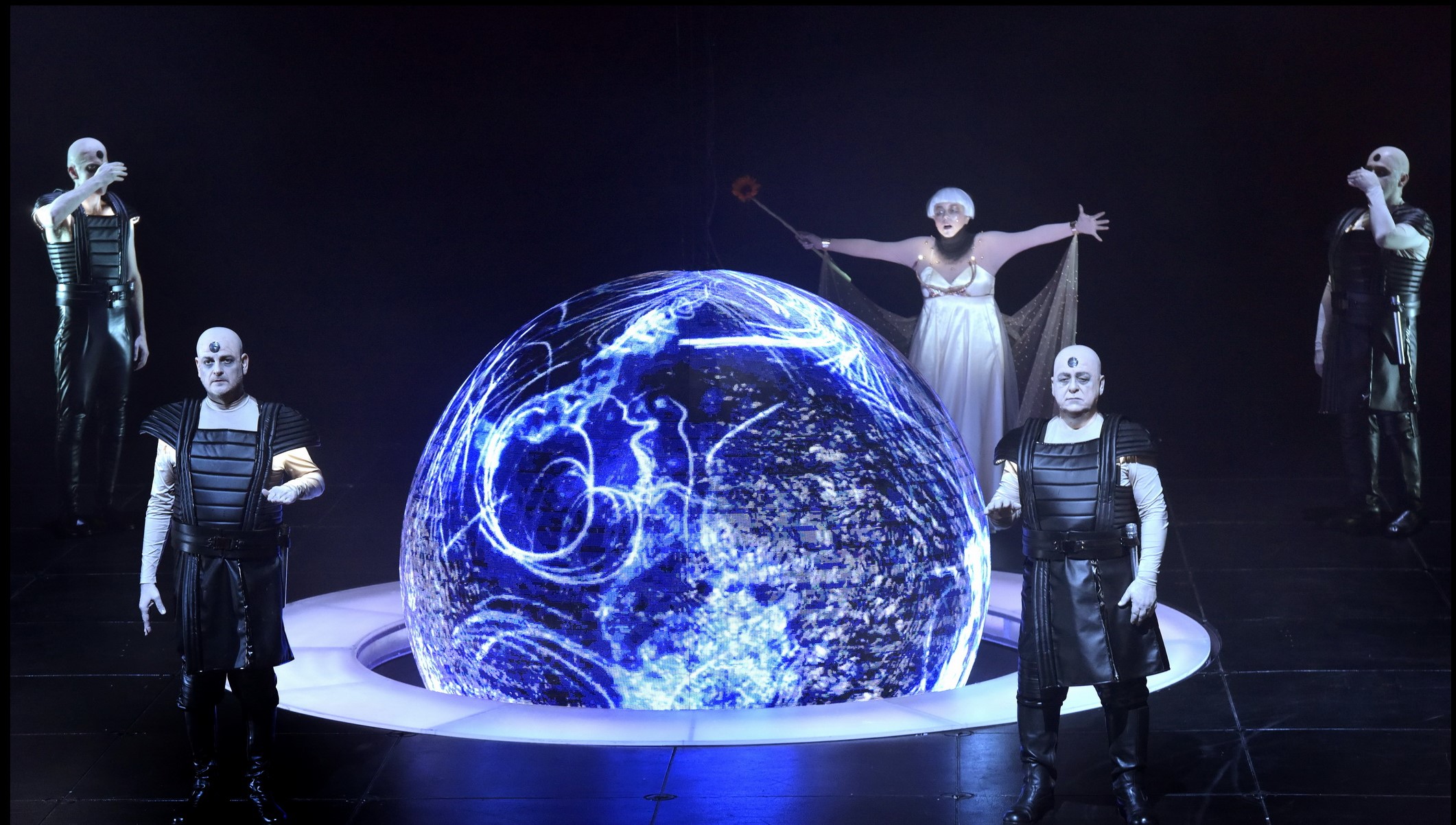
Элишева Несис.
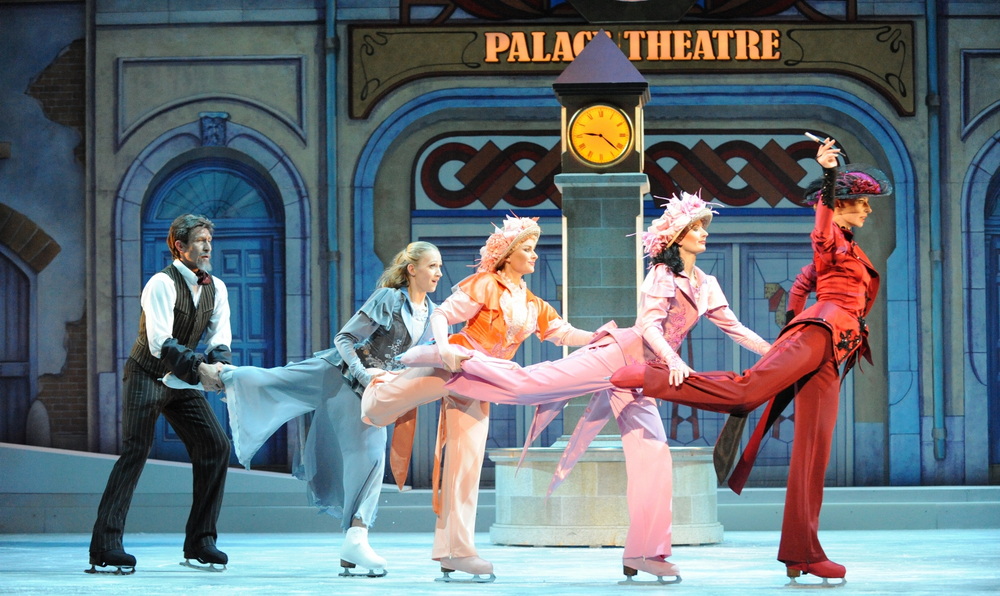
«Стервозное танго»
 |
|
||
|
Что посмотреть
«Паразиты» Пон Чжун Хо Нечто столь же прекрасное, что и «Магазинные воришки», только с бо́льшим драйвом. Начинаешь совершенно иначе воспринимать философию бытия (не азиаты мы...) и улавливать запах бедности.
«Паразиты» – первый южнокорейский фильм, удостоенный «Золотой пальмовой ветви» Каннского фестиваля. Снял шедевр Пон Чжун Хо, в привычном для себя мультижанре, а именно в жанре «пончжунхо». Как всегда, цепляет.
«Синонимы» Надава Лапида По словам режиссера, почти всё, что происходит в фильме с Йоавом, в том или ином виде случилось с ним самим, когда он после армии приехал в Париж. У Йоава (чей тезка, библейский Йоав был главнокомандующим царя Давида, взявшим Иерусалим) – посттравма и иллюзии, замешанные на мифе о герое Гекторе, защитнике Трои. Видно, таковым он себя и воображает, когда устраивается работать охранником в израильское посольство и когда учит французский в OFII. Но ведь научиться говорить на языке великих философов еще не значит расстаться с собственной идентичностью и стать французом. Сначала надо взять другую крепость – самого себя.
«Frantz» Франсуа Озона В этой картине сходятся черное и белое (хотя невзначай, того и гляди, вдруг проглянет цветное исподнее), витальное и мортальное, французское и немецкое. Персонажи переходят с одного языка на другой и обратно, зрят природу в цвете от избытка чувств, мерещат невесть откуда воскресших юношей, играющих на скрипке, и вообще чувствуют себя неуютно на этом черно-белом свете. Французы ненавидят немцев, а немцы французов, ибо действие происходит аккурат после Первой мировой. Разрушенный войной комфортный мир сместил систему тоник и доминант, и Франсуа Озон поочередно запускает в наши (д)уши распеваемую народным хором «Марсельезу» и исполняемую оркестром Парижской оперы «Шехерезаду» Римского-Корсакова. На территории мучительного диссонанса, сдобренного не находящим разрешения тристан-аккордом, и обретаются герои фильма. Оттого распутать немецко-французскую головоломку зрителю удается далеко не сразу.
«Патерсон» Джима Джармуша В этом фильме всё двоится: стихотворец Патерсон и городишко Патерсон, bus driver и Адам Драйвер, волоокая иранка Лаура и одноименная муза Петрарки, японец Ясудзиро Одзу и японец Масатоси Нагасэ, черно-белые интерьеры и черно-белые капкейки, близнецы и поэты. Да, здесь все немножко поэты, и в этом как раз нет ничего странного. Потому что Джармуш и сам поэт, и фильмы свои он складывает как стихи. Звуковые картины, настоянные на медитации, на многочисленных повторах, на вроде бы рутине, а в действительности – на нарочитой простоте мироздания. Ибо любой поэт, даже если он не поэт, может начать всё с чистого листа.
«Ужасных родителей» Жана Кокто Необычный для нашего пейзажа режиссер Гади Ролл поставил в Беэр-Шевском театре спектакль о французах, которые говорят быстро, а живут смутно. Проблемы – вечные, старые, как мир: муж охладел к жене, давно и безвозвратно, а она не намерена делить сына с какой-то женщиной, и оттого кончает с собой. Жан Кокто, драматург, поэт, эстет, экспериментатор, был знаком с похожей ситуацией: мать его возлюбленного Жана Маре была столь же эгоистичной. Новые сказки для взрослых Хоть и пичкали нас в детстве недетскими и отнюдь не невинными сказками Шарля Перро и братьев Гримм, знать не знали и ведать не ведали мы, кто все это сотворил. А началось все со «Сказки сказок» - пентамерона неаполитанского поэта, писателя, солдата и госчиновника Джамбаттисты Базиле. Именно в этом сборнике впервые появились прототипы будущих хрестоматийных сказочных героев, и именно по этим сюжетам-самородкам снял свои «Страшные сказки» итальянский режиссер Маттео Гарроне. Правда, под сюжетной подкладкой ощутимо просматриваются Юнг с Грофом и Фрезером, зато цепляет. Из актеров, коих Гарроне удалось подбить на эту авантюру, отметим Сальму Хайек в роли бездетной королевы и Венсана Касселя в роли короля, влюбившегося в голос старушки-затворницы. Из страннейших типов, чьи портреты украсили бы любую галерею гротеска, - короля-самодура (Тоби Джонс), который вырастил блоху до размеров кабана под кроватью в собственной спальне. Отметим также невероятно красивые с пластической точки зрения кадры: оператором выступил поляк Питер Сушицки, явно черпавший вдохновение в иллюстрациях старинных сказок Эдмунда Дюлака и Гюстава Доре.
 Что послушать
Kutiman Mix the City Kutiman Mix the City – обалденный интерактивный проект, выросший из звуков города-без-перерыва. Основан он на понимании того, что у каждого города есть свой собственный звук. Израильский музыкант планетарного масштаба Офир Кутель, выступающий под псевдонимом Kutiman, король ютьюбовой толпы, предоставляет всем шанс создать собственный ремикс из звуков Тель-Авива – на вашей собственной клавиатуре. Смикшировать вибрации города-без-перерыва на интерактивной видеоплатформе можно простым нажатием пальца (главное, конечно, попасть в такт). Приступайте.
Видеоархив событий конкурса Рубинштейна Все события XIV Международного конкурса пианистов имени Артура Рубинштейна - в нашем видеоархиве! Запись выступлений участников в реситалях, запись выступлений финалистов с камерными составами и с двумя оркестрами - здесь.
Альбом песен Ханоха Левина Люди на редкость талантливые и среди коллег по шоу-бизнесу явно выделяющиеся - Шломи Шабан и Каролина - объединились в тандем. И записали альбом песен на стихи Ханоха Левина «На побегушках у жизни». Любопытно, что язвительные левиновские тексты вдруг зазвучали нежно и трогательно. Грустинка с прищуром, впрочем, сохранилась.
Что почитать
«Год, прожитый по‑библейски» Эя Джея Джейкобса ...где автор на один год изменил свою жизнь: прожил его согласно всем законам Книги книг.
«Подозрительные пассажиры твоих ночных поездов» Ёко Тавада Жизнь – это долгое путешествие в вагоне на нижней полке. Скрюченному человеку трудно держать равновесие. Но это тебя уже не беспокоит. Нельзя сказать, что тебе не нравится застывать в какой-нибудь позе. Но то, что происходит потом… Вот Кузнец выковал твою позу. Теперь ты должна сохранять равновесие в этом неустойчивом положении, а он всматривается в тебя, словно посетитель музея в греческую скульптуру. Потом он начинает исправлять положение твоих ног. Это похоже на внезапный пинок. Он пристает со своими замечаниями, а твое тело уже привыкло к своему прежнему положению. Есть такие части тела, которые вскипают от возмущения, если к ним грубо прикоснуться. «Комедию д'искусства» Кристофера Мура На сей раз муза-матерщинница Кристофера Мура подсела на импрессионистскую тему. В июле 1890 года Винсент Ван Гог отправился в кукурузное поле и выстрелил себе в сердце. Вот тебе и joie de vivre. А все потому, что незадолго до этого стал до жути бояться одного из оттенков синего. Дабы установить причины сказанного, пекарь-художник Люсьен Леззард и бонвиван Тулуз-Лотрек совершают одиссею по богемному миру Парижа на излете XIX столетия. «Пфитц» Эндрю Крами Шотландец Эндрю Крами начертал на бумаге план столицы воображариума, величайшего града просвещения, лихо доказав, что написанное существует даже при отсутствии реального автора. Ибо «язык есть изощреннейшая из иллюзий, разговор - самая обманчивая форма поведения… а сами мы - измышления, мимолетная мысль в некоем мозгу, жест, вряд ли достойный толкования». Получилась сюрреалистическая притча-лабиринт о несуществующих городах - точнее, существующих лишь на бумаге; об их несуществующих жителях с несуществующими мыслями; о несуществующем безумном писателе с псевдобиографией и его существующих романах; о несуществующих графах, слугах и видимости общения; о великом князе, всё это придумавшем (его, естественно, тоже не существует). Рекомендуется любителям медитативного погружения в небыть.
«Тинтина и тайну литературы» Тома Маккарти Что такое литературный вымысел и как функционирует сегодня искусство, окруженное прочной медийной сетью? Сей непростой предмет исследует эссе британского писателя-интеллектуала о неунывающем репортере с хохолком. Появился он, если помните, аж в 1929-м - стараниями бельгийского художника Эрже. Неповторимый флёр достоверности вокруг вымысла сделал цикл комиксов «Приключения Тинтина» культовым, а его герой получил прописку в новейшей истории. Так, значит, это литература? Вроде бы да, но ничего нельзя знать доподлинно.
«Неполную, но окончательную историю...» Стивена Фрая «Неполная, но окончательная история классической музыки» записного британского комика - чтиво, побуждающее мгновенно испустить ноту: совершенную или несовершенную, голосом или на клавишах/струнах - не суть. А затем удариться в запой - книжный запой, вестимо, и испить эту чашу до дна. Перейти вместе с автором от нотного стана к женскому, познать, отчего «Мрачный Соломон сиротливо растит флоксы», а правая рука Рахманинова напоминает динозавра, и прочая. Всё это крайне занятно, так что... почему бы и нет?
Что попробовать
Тайские роти Истинно райское лакомство - тайские блинчики из слоеного теста с начинкой из банана. Обжаривается блинчик с обеих сторон до золотистости и помещается в теплые кокосовые сливки или в заварной крем (можно использовать крем из сгущенного молока). Подается с пылу, с жару, украшенный сверху ледяным кокосовым сорбе - да подается не абы где, а в сиамском ресторане «Тигровая лилия» (Tiger Lilly) в тель-авивской Сароне. Шомлойскую галушку Легендарная шомлойская галушка (somlói galuska) - винтажный ромовый десерт, придуманный, по легенде, простым официантом. Отведать ее можно практически в любом ресторане Будапешта - если повезет. Вопреки обманчиво простому названию, сей кондитерский изыск являет собой нечто крайне сложносочиненное: бисквит темный, бисквит светлый, сливки взбитые, цедра лимонная, цедра апельсиновая, крем заварной (патисьер с ванилью, ммм), шоколад, ягоды, орехи, ром... Что ни слой - то скрытый смысл. Прощай, талия.
Бисквитную пасту Lotus с карамелью Классическое бельгийское лакомство из невероятного печенья - эталона всех печений в мире. Деликатес со вкусом карамели нужно есть медленно, миниатюрной ложечкой - ибо паста так и тает во рту. Остановиться попросту невозможно. Невзирая на калории.
Шоколад с васаби Изысканный тандем - горький шоколад и зеленая японская приправа - кому-то может показаться сочетанием несочетаемого. Однако распробовавшие это лакомство считают иначе. Вердикт: правильный десерт для тех, кто любит погорячее. А также для тех, кто недавно перечитывал книгу Джоанн Харрис и пересматривал фильм Жерара Кравчика.
Торт «Саркози» Как и Париж, десерт имени французского экс-президента явно стоит мессы. Оттого и подают его в ресторане Messa на богемной тель-авивской улице ха-Арбаа. Горько-шоколадное безумие (шоколад, заметим, нескольких сортов - и все отменные) заставляет поверить в то, что Саркози вернется. Не иначе.
|
|
Chen Reiss: “The Music of Mahler Is Close to My Heart”
;void(0);)
;void(0);)
;void(0);)
;void(0);)
 Read more:
|
|
ВЫБОР РЕДАКТОРА
КОЛЛЕКЦИОНЕРАМ 
|
 |
|
